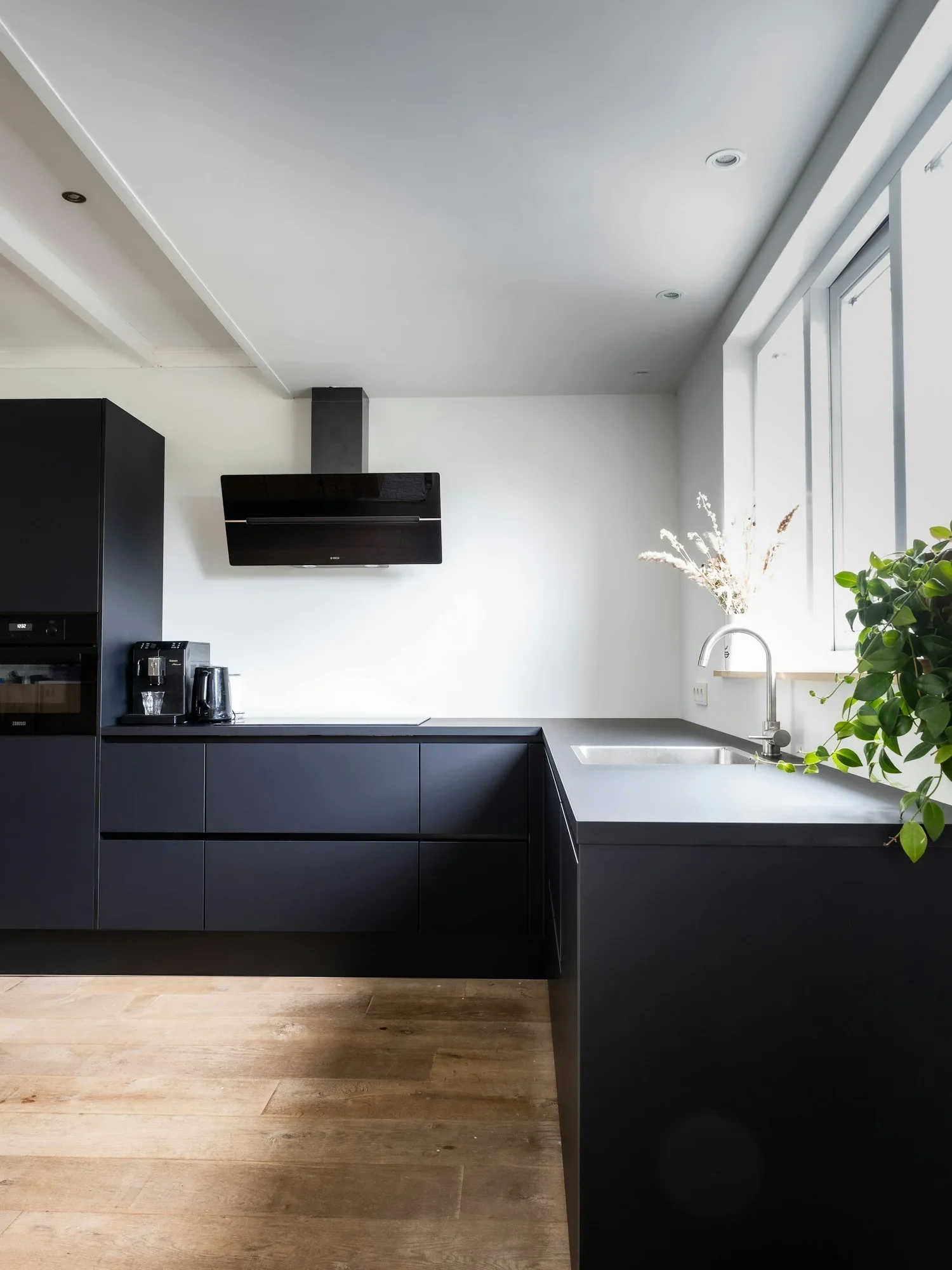
Matte or gloss is not a quality decision. It is a light, maintenance and specification decision.
Both finishes can work well. Both can disappoint when chosen from a small sample without considering colour, surface texture, door construction, lighting and cleaning.
The right comparison is not “matte looks expensive” versus “gloss looks dated”. Compare the exact products in the room where they will be used.
The short answer
Choose gloss when you deliberately want reflection and a sharper visual contrast, and you are comfortable with marks and glare being more visible.
Choose matte when you want a quieter surface with less reflection, and the selected product’s cleaning and fingerprint performance suits the household.
Choose neither by name alone. “Matte” and “gloss” describe appearance, not the substrate, edge, coating, durability or warranty.
What gloss changes in a kitchen
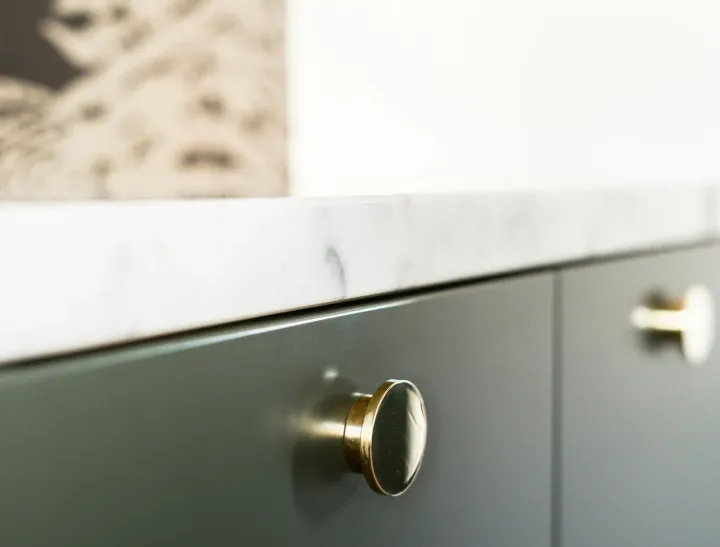
A gloss surface reflects light, objects and movement. That can add brightness and depth, particularly on pale doors, but reflection is not the same as useful daylight.
Gloss can:
create a crisp, continuous appearance on flat fronts
repeat colours and light from the room
make door alignment and surface waviness more noticeable
show fingerprints, wiping marks and dust—especially on dark colours
produce glare when strong daylight or downlights reflect towards the eye
Do not assume gloss is easier to clean simply because it feels smooth. The care method depends on the product and coating. Some cleaners can leave streaks or damage the surface, so use the manufacturer’s instructions.
What matte changes in a kitchen
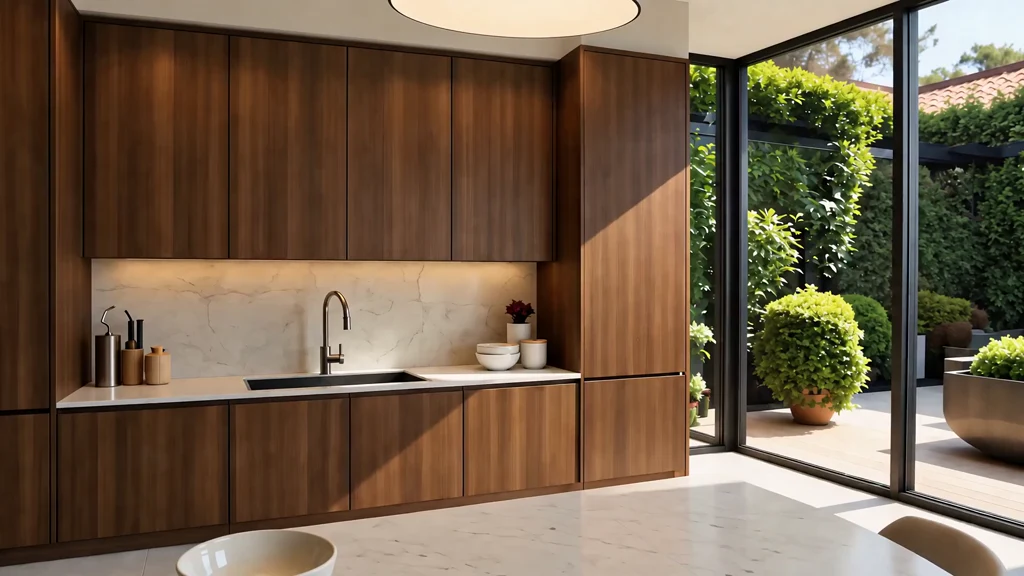
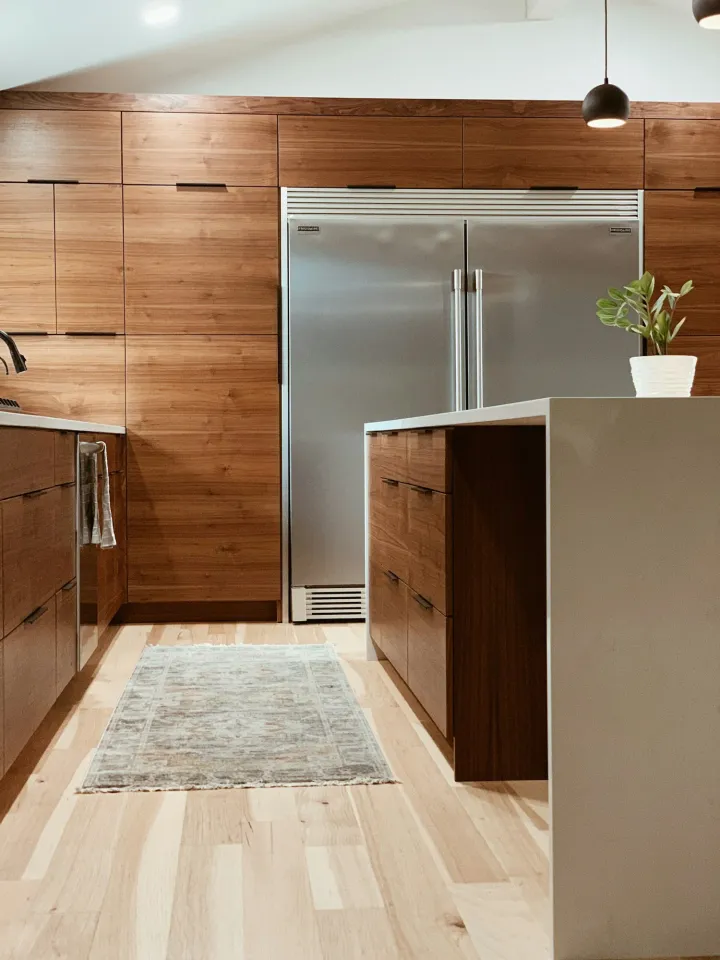
A matte surface diffuses reflection. It usually reads as calmer and allows colour, grain and surrounding materials to carry more of the visual weight.
Matte can:
reduce strong reflections across a large bank of cabinetry
make dark or saturated colours feel less mirror-like
conceal some light marks better than gloss
show oily smears or burnished patches on certain products
require a specific cleaning routine for fingerprint-resistant coatings
“Fingerprint resistant” does not mean fingerprint proof. Laminex’s AbsoluteMatte care guide, for example, says oily residues can interfere with the fingerprint-resistant function and specifies particular cleaning steps. That is why the exact finish matters more than the general category.
Specify the door before the sheen
Two matte doors can be completely different products. A finish may be applied to decorated board, laminate, vinyl-wrapped MDF, painted MDF or another substrate. Edges may be exposed, taped, profiled or painted.
Ask the supplier to document:
the door and panel substrate
the face material or coating
the edge construction
the available door sizes and fabrication limits
where the product is suitable for use
care and maintenance requirements
warranty exclusions
how colour and sheen variation is handled between batches
Manufacturers publish technical data for a reason. Polytec recommends testing current samples for fingerprint resistance and ease of cleaning, and notes that exact colour matching can vary between product groups. Treat that as part of selection, not fine print after installation.
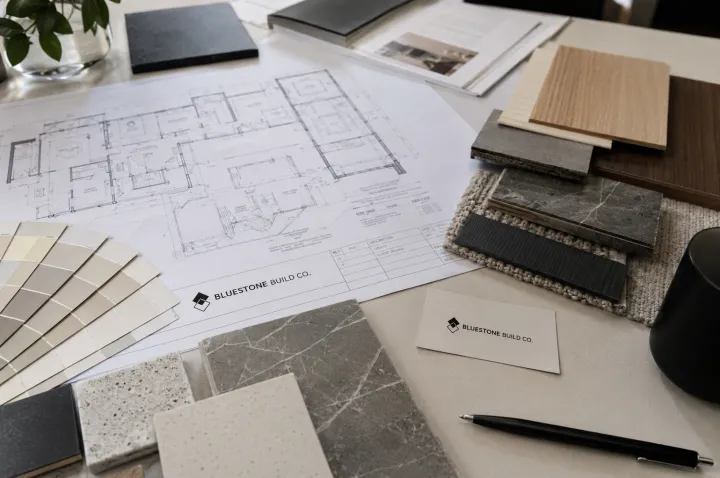
Test samples in the real light
View large samples vertically, because cabinet doors are vertical. Move them around the room in morning, afternoon and artificial light.
Check:
direct reflection from windows and downlights
how the finish looks beside the benchtop and splashback
whether dark colours reveal dust or wiping marks
whether the surface changes when viewed from the living room
how edges and fingerprints look at oblique angles
Australian Government YourHome guidance distinguishes useful daylight from glare. Direct sun on polished kitchen surfaces can cause discomfort even when the room appears bright. Cabinet sheen, benchtop polish, splashback and lighting should be considered together.
Run a cleaning test before ordering
Ask for a sample large enough to handle. Put clean fingerprints, cooking oil and a small water mark on it, then clean it using the manufacturer’s approved method.
This is more reliable than accepting claims such as “low maintenance”. It shows:
how quickly marks become visible
whether the approved cleaner leaves streaks
how much pressure is needed
whether the texture holds residue
how the finish looks after repeated wiping
Do not use abrasive pads, strong solvents or improvised cleaners unless the care guide permits them. A surface can be durable in normal use and still be damaged by the wrong cleaning product.
Colour can matter more than sheen
Dark gloss often reveals dust, fingerprints and reflections more readily than pale gloss. Dark ultra-matte can show oily marks or changes in surface sheen. Mid-tone colours and subtle textures may be more forgiving than either extreme.
Grained or textured finishes introduce another variable: they can soften marks visually, but the texture may change cleaning. Compare the actual colour and finish combination, not a white gloss door against a black matte door.
Mix finishes only with a clear hierarchy
A kitchen can combine matte and gloss, but every additional finish needs a role.
A restrained scheme might use matte cabinetry with a more reflective splashback, or a gloss feature only where it relates to another material in the room. Mixing sheen across random upper and lower doors can make the kitchen feel assembled from separate ranges.
Keep the number of competing surfaces under control. Cabinetry, benchtop, splashback, appliances, handles, flooring and paint already create a complex palette.
Consider where hands land
Handleless cabinetry does not eliminate touching. Finger-pull rails, push-to-open fronts and integrated profiles can concentrate contact along edges or across the door face.
Physical handles may reduce marks on fronts, while a continuous rail can change where crumbs and residue collect. Test the opening method with the selected finish and confirm it remains comfortable on heavy drawers and integrated appliances.
Matte versus gloss comparison checklist
What is the full product name, substrate and edge construction?
Is it suitable for the proposed door, panel or benchtop application?
How does a large vertical sample look in the room’s real light?
Does it show fingerprints, oil, dust or water marks?
What cleaning products and methods are approved?
How will it sit beside the benchtop, splashback, flooring and appliances?
Do the warranty and care requirements suit the household?
Can replacement panels be colour matched later?
Where Bluestone fits
Bluestone treats cabinet finish as one part of the complete kitchen specification. The layout, door construction, edges, hardware, lighting and adjoining materials must work together before the colour is signed off.
See the approach to complete kitchen renovations in Melbourne.